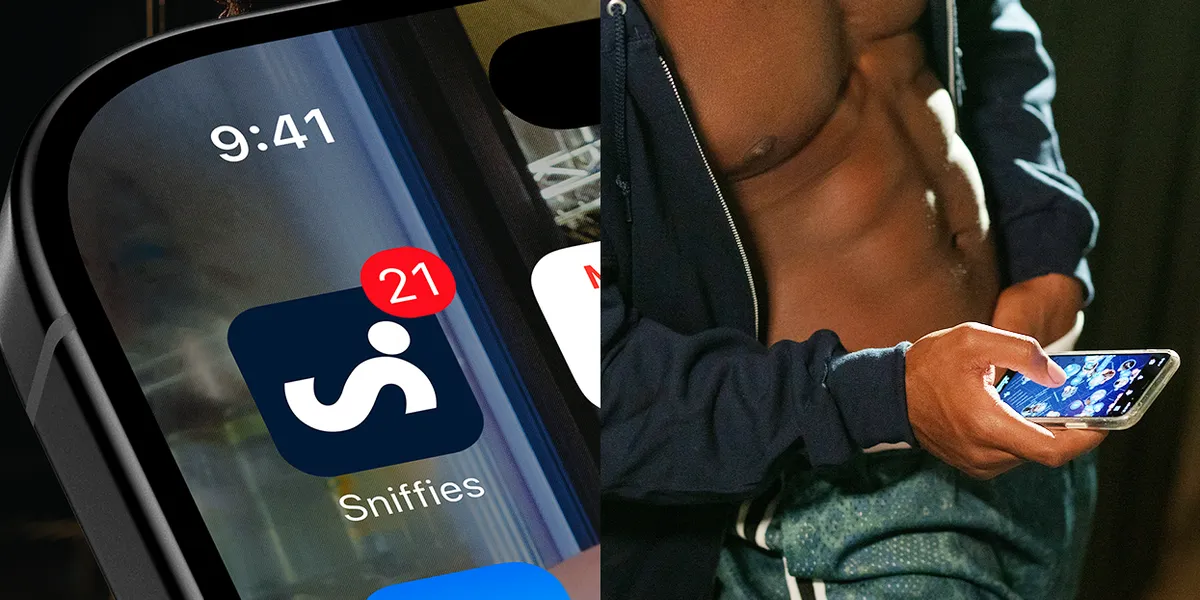
In May 2025, the queer cruising app Sniffies faced a major setback when Apple temporarily removed it from the iOS App Store. This decision sent waves through the LGBTQ+ community and the niche cruising app landscape. Known for its real-time, map-based interface and permissive stance on explicit content, Sniffies offers a unique experience that many users consider indispensable. The removal raised important questions about content regulations, app store policies, and the challenges faced by adult-oriented platforms in maintaining visibility on mainstream marketplaces Apple Removes Sniffies App.
This article explores the circumstances behind the Apple App Store removal of Sniffies, what it means for users, and the broader implications for similar LGBTQ+ apps navigating evolving tech regulations in 2025.
The Rise of Sniffies
Launched initially as a browser-based platform in 2018, Sniffies really caught users’ attention by integrating a dynamic live map to show nearby cruisers in real time. Unlike dating apps such as Grindr or Scruff that focus on grid-style browsing and limit explicit profile pictures, Sniffies offered a more uncensored, boundary-pushing approach to social connectivity.
The app’s innovation won it a passionate user base eager for spontaneity and authenticity in cruising, blending old-school cruising culture with cutting-edge geolocation technology.
Sniffies iOS Launch and Removal
After years of web-only presence, Sniffies launched its first native iOS app in March 2025. The release marked a significant expansion, making the cruising experience much more accessible to mobile users.
However, only two months later, in May 2025, Sniffies was pulled from the Apple App Store due to “ongoing content restrictions.” The company disclosed the removal was temporary, and users who had already downloaded the app could continue using it without interruption. The web platform, which provides the full unfiltered experience, remained fully operational.
Why Did Apple Remove Sniffies?
Apple’s App Store enforces strict content guidelines aimed at maintaining a safe and broadly acceptable environment. These rules restrict explicit sexual content and require robust privacy and security measures. Despite Sniffies’ efforts—such as launching a “Safer Work Mode” that blurred explicit images by default—the content moderation was deemed insufficient by Apple.
Unlike mainstream gay dating apps that moderate visual content tightly, Sniffies’ core appeal lay in the freedom to share explicit images and present users authentically, creating tension with Apple’s policies.
Additionally, the Apple App Tracking Transparency (ATT) framework introduced in recent years affected ad revenues for apps, compounding financial and technical pressures on developers like Sniffies.
Sniffies’ Response and Next Steps
In response, Sniffies acted swiftly by communicating transparently with its community. The company committed to improving moderation tools, reinforcing age verification (including government IDs and facial recognition), and enhancing content control features.
Eli Martin, Sniffies’ Chief Marketing Officer, emphasized, “We had to figure out how to make it work without watering it down,” highlighting the challenge of balancing compliance with preserving the app’s essence.
The team continues negotiations with Apple, aiming to restore the app on the iOS platform while maintaining the user experience that defines Sniffies.
What This Means for Users
Existing Users: Those who downloaded Sniffies before the removal can still access all app features with full functionality.
New Users: Unable to download from the App Store, prospective users currently rely on the web version, which remains fully functional and unfiltered.
Community Impact: The removal slowed user growth on iOS, limiting outreach and engagement for a time.
Safety and Privacy: Ongoing enhancements improve trust and safety but require user vigilance regarding sharing and interactions Apple Removes Sniffies App.
Broader Implications for LGBTQ+ and Adult Apps
Sniffies’ removal spotlights the precarious position of niche adult apps on major app stores. Balancing innovative features that audiences crave with restrictive content guidelines calls for creative solutions and ongoing dialogue with platforms.
The incident underscores the importance of multi-platform accessibility (web, Android, iOS) and diversified engagement strategies for survival and growth.
Read More: Do Straight People Have Something Like Sniffies? Exploring the Best Straight Hookup Apps in 2025
Conclusion
Apple Removes Sniffies App, The temporary removal of Sniffies from the Apple App Store in 2025 reveals complex challenges at the intersection of queer culture, adult content, and mainstream digital marketplaces. While the platform worked swiftly to comply and communicate openly, it also raised questions about inclusivity, censorship, and platform power over marginalized communities.
Users can continue enjoying Sniffies through the web app while awaiting its potential return to iOS. Meanwhile, the situation encourages broader conversations about safeguarding diverse online spaces in an evolving regulatory environment.
Frequently Asked Questions
How do I choose the right dating site for me?
Consider your relationship goals first — casual connection, serious commitment, or niche interests — then compare platforms by active user base, matching method, pricing, and safety features. Reading verified user reviews on Trustpilot before subscribing is always a smart step.
What makes a successful online dating profile?
Specific, honest, and personality-driven profiles consistently attract better matches. Use clear, recent photos, write about particular interests rather than generic statements, and be upfront about what you are looking for in a partner.
How can I stay safe when meeting someone from a dating app?
Always meet in a public place for your first meeting, let a trusted friend know your plans, and arrange your own transport. Avoid sharing your home address or workplace until you feel genuinely comfortable with the person.
What is the biggest mistake people make in online dating?
Investing emotionally before verifying someone’s identity is the most common pitfall. Video calling before meeting, moving conversations at a natural pace, and trusting your instincts when something feels off will protect you significantly.