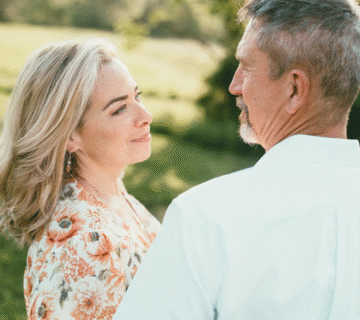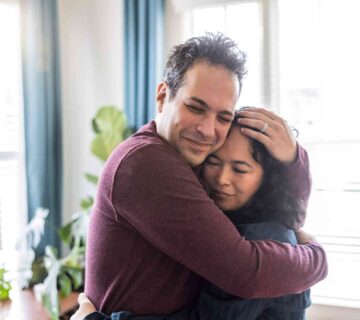

When we talk about what “turns us on” in relationships, most people immediately think of physical chemistry. But the true turn-on meaning in relationship encompasses so much more – it’s the secret sauce that keeps couples connected emotionally, intellectually, and physically over time.
In this in-depth exploration, we’ll uncover:
The full spectrum of what turn on means in a relationship
How turn-ons differ between men and women
Surprising examples of turn-ons in relationships
Why some turn-ons fade while others grow stronger
How to rediscover turn-ons in long-term relationships
Whether you’re wondering “what does turned on mean in a relationship?” or looking to deepen your connection, this guide will give you practical insights you can apply today.
What Does “Turn On” Really Mean in a Relationship?
At its core, a turn-on in relationship is anything that creates or maintains attraction between partners. While popular culture focuses on physical aspects, relationship experts agree that lasting turn-ons are often emotional and psychological.
The 3 Dimensions of Turn-Ons:
Physical Turn-Ons
Immediate bodily attraction (appearance, scent, touch)
Example: The way your partner’s eyes light up when they smile
Emotional Turn-Ons
Feelings of safety, understanding and being valued
Example: Your partner remembering how you take your coffee
Psychological Turn-Ons
Mental stimulation and shared values
Example: Challenging each other’s perspectives respectfully
Dr. John Gottman’s research at the Gottman Institute [1] shows that couples who nurture all three dimensions maintain stronger connections over time.
Turn-On vs. Turn-Off: What’s the Difference?
Understanding the turn on meaning in relationship requires recognizing its opposite – turn-offs. These are behaviors or traits that diminish attraction.
Common Turn-Offs:
Lack of emotional availability
Poor communication habits
Taking the relationship for granted
Key Insight: What turns someone on at the beginning of a relationship (like spontaneity) might become a turn-off later if it conflicts with growing needs for stability.

Gender Differences in Turn-Ons
While everyone is unique, research shows some general patterns in turn-on for a girl meaning in relationship versus what commonly turns men on.
Common Female Turn-Ons:
Emotional availability (87% of women rate this as crucial) [2]
Active listening skills
Thoughtful gestures (unprompted acts of kindness)
Common Male Turn-Ons:
Physical affection (non-sexual touch)
Shared activities and interests
Verbal appreciation
Important Note: These are generalizations – the most powerful turn ons meaning in relationship are always personal to each individual.
Real-Life Examples of Turn-Ons in Action
To better understand the turn on meaning in relationship example, let’s examine real scenarios:
Example 1: The Power of Presence
When Jamal puts his phone away during dinner, it makes his partner feel truly seen – a major emotional turn-on.
Example 2: Shared Vulnerability
After opening up about a work failure, Priya found her partner’s supportive response incredibly attractive.
Example 3: Growth Mindset
Watching his girlfriend learn a new language turned David on more than any physical trait.
Why Turn-Ons Change Over Time
The turned on meaning in relationship evolves because people evolve. What excited you about your partner at six months likely differs from what excites you at six years.
Common Shifts:
Early relationship: Novelty and physical chemistry dominate
Mid-term: Emotional security becomes increasingly important
Long-term: Shared history and growth create deep attraction
Pro Tip: Regular check-ins about each other’s changing needs can help couples stay attuned.
Rediscovering Turn-Ons in Long-Term Relationships
If you’re wondering “what is turn on meaning in relationship” after years together, try these revitalizing strategies:
The Curiosity Challenge
Spend a week noticing and commenting on “new” things about your partner
Memory Lane Dating
Recreate your early dates to reconnect with initial turn-ons
Future Visioning
Discuss dreams and goals to uncover emerging turn-ons
Common Myths About Turn-Ons
Myth’s: Turn-ons are fixed traits
Truth’s: They evolve with life experiences and personal growth
Myth: Physical turn-ons matter most
Truth: Emotional connection often becomes more important over time
Myth: You should just “know” your partner’s turn-ons
Truth: Open communication is essential for maintaining connection
The Dark Side: When “Turn On Me” Goes Wrong
The phrase turn on me meaning in relationship sometimes describes when attraction turns to repulsion. Common causes include:
Growing apart in values
Chronic disrespect
Key Insight: Negative patterns can often be repaired with professional help if addressed early.
Practical Exercise: Mapping Your Turn-Ons
Try this with your partner:
Each list your top 5 historical and current turn-ons
Share one turn-on you’d like to develop together
Discuss how to incorporate these into daily life
Final Thoughts: Cultivating Lasting Turn-Ons
Understanding the full turn on in a relationship meaning helps couples create bonds that deepen over time. By nurturing physical, emotional and psychological connection, you build a relationship that remains vibrant through all of life’s changes.
Remember: The most powerful turn-ons are often the simplest – feeling seen, valued, and chosen every day.
[1] Gottman Institute research on relationship longevity
[2] 2023 Relationship Survey by Psychology Today
Read More: Victoria Hearts Review Real Or Scam?
FAQ Section
Q: What is the simplest definition of turn-on in a relationship?
A: Anything that creates or maintains attraction between partners, whether physical, emotional or intellectual.
Q: How often do couples’ turn-ons change?
A: There’s no set timeline, but most couples experience noticeable shifts every 2-3 years as they grow individually and together.
Q: Can a turn-off become a turn-on?
A: Absolutely! With conscious work and communication, many previous turn-offs can transform into sources of connection.