
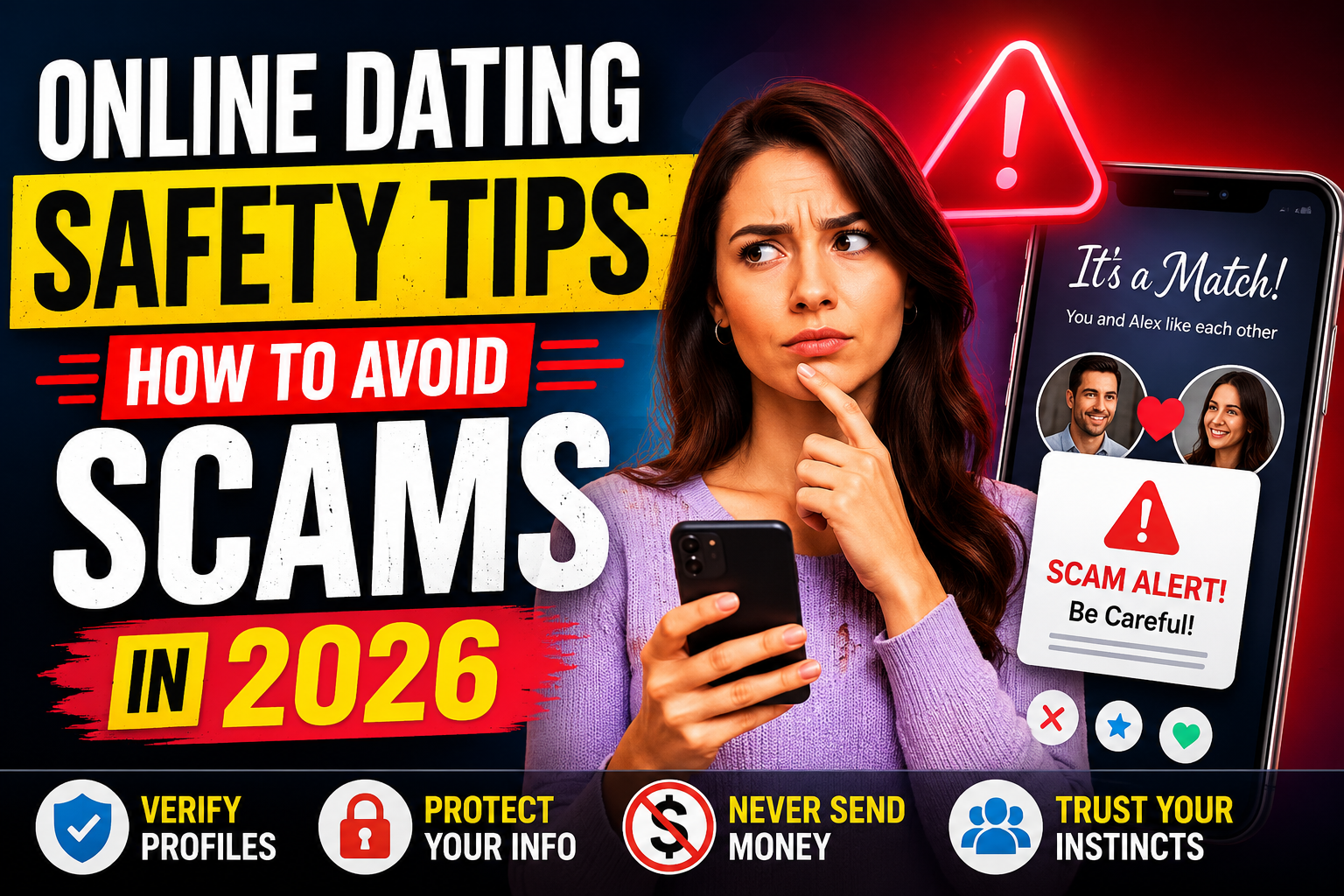
Online dating has made it easier than ever to meet new people, build connections, and explore relationships outside your immediate social circle. But with more opportunity also comes more risk. Fake profiles, romance scams, catfishing, emotional manipulation, and privacy threats have become common problems across many platforms. That is why learning strong online dating safety tips is essential for anyone who wants a better and safer experience in 2026.
Many people focus only on getting matches, starting conversations, and planning dates. But safety should never be treated as a small detail. A single bad interaction can lead to emotional stress, financial loss, identity risk, or unsafe real-world situations. The good news is that most dating risks can be reduced with awareness, patience, and practical decision-making. This guide shares the most important online dating safety tips so users can protect themselves without becoming fearful or closed off.
Why Safety Matters More Than Ever
Modern dating is fast. People can meet dozens of strangers online in a short period of time. While this creates convenience, it also means users are often making quick judgments based on photos, bios, and a few messages. Scammers understand this. They know many people are lonely, curious, hopeful, or eager to trust the right person. They use those emotions to create fake closeness quickly.
The goal of safety is not to stop people from dating. It is to help them date with clarity. A smart person can still be tricked if they are rushed, distracted, or emotionally vulnerable. That is why good habits matter. The best online dating safety tips are not about paranoia. They are about reducing avoidable risk while still staying open to real connection.
Learn the Most Common Dating Scams
To protect yourself, it helps to understand how dating scams usually work. The most common problem is the romance scam. This happens when someone creates a false identity, builds trust over time, and then uses emotion to ask for money, gifts, financial help, or personal information. Some scammers move very fast, while others spend weeks or months building a believable story.
Another common issue is catfishing. A catfish uses fake photos, a fake name, or a false backstory to pretend to be someone they are not. Sometimes the goal is emotional attention. Sometimes it is financial fraud. In other cases, it may involve blackmail, extortion, or stolen content.
There are also link-based scams, where someone sends suspicious websites, fake verification pages, or external messaging links designed to steal information. Other users may ask for gift cards, cryptocurrency, emergency help, travel money, or private photos. Once you understand these patterns, it becomes easier to notice early warning signs.
How to Spot a Fake Profile
One of the most useful online dating safety tips is learning how to identify fake or suspicious profiles before becoming emotionally involved. Fake profiles often look attractive at first, but the details do not hold up under closer attention.
A profile may have very few photos, overly polished images, or pictures that look like they came from a modeling account. The bio may be extremely short, vague, or written in unnatural language. Some fake profiles use generic phrases that could apply to anyone. Others avoid specifics about work, hobbies, or daily life.
Pay attention to behavior as well. If someone responds quickly but says very little of substance, avoids direct questions, or keeps repeating sweet words without building a real conversation, that is a concern. If they refuse voice calls, never agree to video chat, or always have an excuse for why they cannot verify themselves, be careful.
Real people can be shy, busy, or private. But when several suspicious signs appear together, it is better to slow down.
Protect Your Personal Information
Privacy is a major part of online dating safety. In the early stages of conversation, do not share your home address, workplace details, bank information, passwords, private documents, or anything that could be used to track, impersonate, or manipulate you.
A lot of users make the mistake of moving too quickly from a dating app to private messaging platforms. There is nothing wrong with changing platforms later, but doing it too soon removes some of the safety tools built into dating apps, such as reporting, blocking, and moderation. Stay on the app long enough to get a better sense of the person.
You should also be careful with photos. Avoid sending intimate images to someone you do not fully trust. Once a private photo is shared, you lose control over where it can end up. Some scammers use emotional pressure to collect personal content, then use it for blackmail or threats later.
Among all online dating safety tips, protecting your private information is one of the easiest and most effective habits you can develop.
Be Extremely Careful About Money
A simple rule can save you from many scams: never send money to someone you have only met online. It does not matter how believable, emotional, or urgent their story sounds. Requests for money are one of the clearest red flags in online dating.
Scammers often create emergencies involving travel, family illness, medical problems, broken phones, rent, business troubles, or sudden accidents. They may say they want to meet you but need financial help first. They may promise repayment later or make you feel guilty for hesitating. Some will even ask for small amounts first to test whether you are easy to manipulate.
No matter how strong the emotional connection feels, pause immediately if money enters the conversation. Healthy dating does not begin with financial pressure. One of the strongest online dating safety tips is this: once someone asks for money early in a relationship, treat the situation as high risk.
Watch for Emotional Manipulation
Not every danger in online dating is financial. Some people use emotional tactics to create fast attachment and lower your judgment. This is often called love bombing. A person may shower you with affection, intense compliments, future plans, and emotional language very early, even before building real trust.
At first, this can feel exciting. But if the connection becomes intense too quickly, it may be a strategy rather than sincere affection. Emotional manipulators often rush intimacy, demand constant attention, create guilt, or become upset when you set boundaries. They may try to isolate you from advice, make you feel special too soon, or pressure you into decisions before you are ready.
Healthy connection grows over time. Real interest respects space, timing, and boundaries. If someone becomes too serious too quickly, step back and ask whether their actions feel grounded or performative.
Use Safer Communication Habits
Smart communication can prevent many problems. Start by asking questions that help you understand whether someone is real, consistent, and emotionally mature. Notice whether their answers make sense over time. Do their stories change? Are they vague about work, location, or daily life? Do they always redirect the topic when asked for normal details?
Voice and video calls are also useful. A quick video conversation can reveal whether the person matches their profile and behaves naturally. You do not need to demand proof aggressively, but basic verification is reasonable in modern dating.
Trust should be built in layers. Do not assume someone is safe just because they are charming, attractive, or attentive. One of the most valuable online dating safety tips is to trust patterns, not just feelings.
Plan First Meetings Carefully
Even if someone seems genuine online, first dates should still be handled carefully. Meet in a public place such as a café, restaurant, or busy daytime location. Avoid isolated settings for the first meeting. Tell a friend or family member where you are going, who you are meeting, and when you expect to return.
Use your own transportation if possible. This gives you more control and makes it easier to leave if something feels uncomfortable. Keep your phone charged and accessible. If the person pressures you to change plans last minute, move to a private location, or ignore your boundaries, take that seriously.
A safe date does not mean an unfriendly date. It simply means you are protecting yourself while giving the connection a fair chance.
What to Do If Something Feels Wrong
A lot of people ignore their instincts because they do not want to seem rude, dramatic, or suspicious. But your instincts matter. If something feels off, you do not need perfect proof before slowing down or ending communication.
Block profiles that feel manipulative, pushy, dishonest, or unsafe. Report suspicious behavior to the dating platform. Save screenshots if needed, especially if the issue involves threats, money requests, blackmail, or harassment. If you already sent money or personal information, act quickly to protect your accounts and seek help from the appropriate service providers or authorities.
One of the most practical online dating safety tips is remembering that you are allowed to leave at any stage. You do not owe continued access to someone who makes you uncomfortable.
Final Thoughts
Online dating can be exciting, meaningful, and full of possibility, but it works best when safety stays part of the process from beginning to end. The right habits do not make dating cold or negative. They make it smarter. By learning the warning signs of scams, protecting your privacy, avoiding financial manipulation, verifying people gradually, and planning safe first meetings, you greatly reduce the risks that harm so many users online.
These online dating safety tips are not just for beginners. Even experienced daters can benefit from stronger awareness, especially in a fast-moving digital world where fake profiles and emotional manipulation continue to evolve. The goal is simple: stay open to real connection, but never ignore the importance of caution, boundaries, and self-protection.
Safe dating is not about fear. It is about confidence, clarity, and making better decisions. In 2026, that may be one of the most attractive qualities a person can have.


